By The Grvy Editorial Board
Afrobeats didn’t go global by accident. It traveled a pipeline — three cities, each doing a different job — and if you want to understand how a Lagos street sound became the default pulse of clubs from Peckham to South Beach, you follow the route.
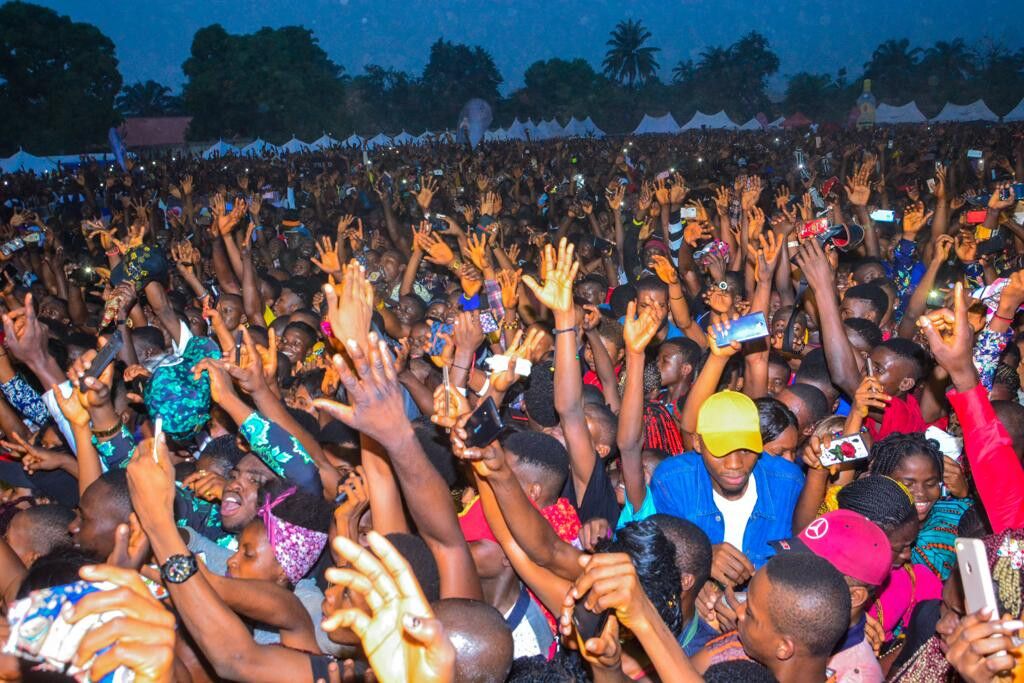
Lagos: the source. Everything starts here, in the studios and street parties of Nigeria’s commercial capital, where producers blend highlife guitars, hip-hop drums, and Yoruba percussion into something that feels inevitable. This is where Burna Boy became the African Giant, where Wizkid turned Ojuelegba romance into a global language, where the log drum of amapiano drifted up from South Africa and got absorbed into the mix. Lagos doesn’t export finished products; it exports raw energy. The sound is made for danfo buses and beach parties first, the world second — which is exactly why the world wants it.
London: the amplifier. The pipeline’s second city is where the diaspora did its alchemy. Britain’s Nigerian and Ghanaian communities — concentrated in Peckham, Dalston, Brixton — took the Lagos sound and wired it into UK rap, grime, and R&B, creating Afroswing: J Hus, NSG, Darkoo. London gave Afrobeats infrastructure — radio (Capital Xtra, BBC 1Xtra), festivals, and a music press that treated it as a movement rather than a novelty. When Drake put Wizkid on “One Dance” in 2016, the signal boost ran through London’s tastemaker network. The city turned a regional sound into a genre with a Grammy category.
Miami: the stage. The pipeline’s newest city is where the sound goes to perform its global arrival. Miami’s clubs, its Caribbean-rooted party culture, and its position as the capital of Latin crossover made it a natural third node. Tems shuts down Rolling Loud. Uncle Waffles brings amapiano to Ultra. The city’s Haitian, Jamaican, and Afro-Latino communities hear their own rhythms inside the Afrobeats grid — konpa’s sway, dancehall’s bounce — and the fusion accelerates. Miami doesn’t make Afrobeats; it makes Afrobeats inevitable, the sound of every room at once.
The pipeline runs both ways now. Lagos producers sample Miami bass. London rappers fly to Lagos to record. A kid in Little Haiti grows up on konpa, discovers amapiano on TikTok, and makes something neither parent genre predicted. That’s the real story of these three cities: not a supply chain but a circuit, current flowing in every direction, voltage rising each lap.
Follow the route and you hear the future before it arrives. It’s already playing — in a danfo, in a Peckham basement, in a South Beach club at 2 a.m. Same pulse. Three cities. One pipeline.



Leave a comment